


-

Add: HeBei ShengShi HongBang Cellulose Technology CO.,LTD.
-

Email
13180486930@163.com -

CONTACT US
+86 13180486930



Chemical materials have become an integral part of countless industries, enabling innovations and improving the quality of everyday products. Understanding the relevance and application of these materials can unlock potential for businesses and innovators alike . The chemistry behind these materials, their synthesis, applications, and safety considerations are imperative in establishing authority, expertise, and trustworthiness in the field. At the core of understanding chemical materials lies the expertise in their categorization and application. Chemical materials include polymers, ceramics, alloys, composites, and bio-materials, each playing unique roles in industrial and consumer applications. For instance, polymers such as polyethylene, polystyrene, and polyvinyl chloride are pivotal in the manufacturing of packaging materials, household goods, and clothing. Their versatility stems from customizable properties like flexibility, durability, chemical resistance, and cost-effectiveness. Ceramics, known for their thermal stability and hardness, contribute significantly to the creation of heat-resistant tiles, insulators, and optical materials. Expertise in ceramic engineering can push boundaries in electronics, automotive, and aerospace industries, promoting innovation and efficiency. Alloys, a union of metals, expand possibilities in structural applications due to their enhanced mechanical properties. The expertise in tailoring these alloys for specific applications like automotive parts, medical devices, and construction materials is critical to maintaining a competitive edge. The application of composite materials, which combine two or more constituent materials with differing physical or chemical properties, unveils new prospects in industries requiring lightweight yet strong materials. The aerospace and sporting goods industries benefit immensely from composites like carbon fiber-reinforced polymers due to their superior strength-to-weight ratio. Understanding the material science behind these composites allows for enhanced product performance and sustainability, reinforcing a company's innovative stature. Biomaterials merge the intricacies of biology with material science, creating substances suitable for medical applications such as prosthetics, dental implants, and tissue engineering. The safety standards and biocompatibility of these materials are paramount, demanding stringent testing and compliance with international regulatory bodies. Possessing expertise in biomaterials segments a company as a frontrunner in advancing medical technologies. chemical material The intricacies involved in the synthesis and processing of these chemical materials demand authoritative knowledge and experience. It is not only vital to innovatively synthesize these materials but also to sustainably source, process, and recycle them. Sustainable practices in material science, such as using bio-based polymers or recycled metals, significantly contribute to a company's trustworthiness and appeal in a market increasingly sensitive to environmental impacts. Furthermore, maintaining authoritative credibility requires adherence to high safety and quality standards. Industry certifications and accreditations testify to a company’s commitment to excellence and trust. Establishing trustworthiness involves transparency in sourcing materials, manufacturing processes, and engagement with stakeholders regarding product lifecycle and safety concerns. In a digital landscape where information is abundantly available, demonstrating expertise requires proactive engagement with research and continuous learning. Professionals involved in the development and application of chemical materials must bridge the gap between scientific breakthroughs and practical implementation, presenting information understandable both to peers and consumers. For businesses aiming to establish their expertise and authority, focusing on innovation in chemical materials is crucial. Practical applications explored through research collaborations and partnerships with academic institutions can lead to breakthroughs that redefine industries. Sharing such knowledge through credible platforms effectively positions a company as a leader in chemical materials, enhancing its visibility and reputation in both local and global markets. In conclusion, navigating the vast domain of chemical materials necessitates a blend of expertise, authority, trust, and experience. For companies in this field, this involves not only innovating with materials but also ensuring sustainable, safe, and efficient practices. By doing so, businesses not only contribute to technological advancements but also build a trustworthy brand that resonates with industry peers and consumers alike.
- 40000tons

Production
- 20+years

Experience
- 5000+㎡

Acreage

-
Unlocking the Potential of HPMC A Comprehensive Guide to Finding Quality HPMC for Sale Exploring the world of construction and pharmaceuticals often leads one to discover crucial compounds that serve as the backbone for many industry applications. Among these compounds, Hydroxypropyl Methylcellulose, or HPMC, stands out due to its versatile nature and beneficial properties. For businesses seeking to integrate HPMC into their processes, finding reliable sources of HPMC for sale is paramount . Hydroxypropyl Methylcellulose (HPMC) is a non-ionic, water-soluble cellulose ether, celebrated for its binding, thickening, and stabilizing abilities. This makes it an indispensable ingredient in construction materials, pharmaceuticals, personal care products, and even food. As demand grows across these sectors, there is an imperative need to secure high-quality HPMC from reputable suppliers. The construction industry extensively utilizes HPMC as a crucial component in cement-based materials, adhesives, and coatings. Its ability to enhance water retention, workability, and overall performance of construction materials makes it an essential additive. When searching for HPMC for sale in this sector, companies should look for suppliers that can verify the purity and grade specific to industry standards, ensuring optimal product performance. In pharmaceuticals, HPMC serves as an excipient in tablet formulations, utilized for its film-forming properties that assist in controlled drug release. Its non-toxic, hypoallergenic nature assures that it meets the rigorous demands of pharmaceutical manufacturers. Companies sourcing HPMC for this purpose must prioritize suppliers who provide certification of compliance with regulatory bodies such as the FDA or EMA. The skincare and personal care industries also harness the versatility of HPMC, employing it as a thickener and stabilizer in lotions, creams, and shampoos. For companies searching for HPMC for sale in personal care, attention should be given to suppliers offering cosmetic-grade HPMC, free from any contaminants that might affect skin sensitivity. hpmc for sale While the applications of HPMC are vast, navigating the market to find reputable suppliers can be challenging. One key strategy is to evaluate the expertise and experience of potential suppliers. Companies that specialize in cellulose ether production with decades of experience tend to offer products of higher consistency and reliability. Moreover, expertise in customizing HPMC formulations to meet specific industry needs can significantly enhance product value. To ensure authoritativeness and trustworthiness, businesses should seek providers with transparent sourcing and manufacturing processes. This includes thorough documentation of the product's origin, the technology used in its production, and the quality control measures in place. A supplier's adherence to international quality standards, such as ISO certifications, is a strong indicator of reliability. Facilitating partnerships with suppliers who offer technical support and product development consultation can further cement a company's standing in its respective industry. Suppliers with in-house experts who can guide the adaptation of HPMC into existing processes provide invaluable insights that optimize end-use applications, offering a competitive edge in the market. Moreover, leveraging digital platforms to read reviews and case studies from past clients can provide a clear view of a supplier's reputation. Positive testimonials and proven success stories contribute significantly to a supplier’s credibility, making them more attractive options for businesses. In packing and logistics, it is crucial to ensure that the HPMC is delivered under conditions that preserve its quality and integrity. Engaging suppliers who understand the nuances of logistics and who can guarantee timely delivery can be a defining factor in maintaining a seamless supply chain. Conclusively, businesses seeking to enhance their outputs through HPMC must conduct thorough due diligence in selecting suppliers. From construction to pharmaceuticals and personal care, finding quality HPMC for sale hinges on a supplier's ability to offer product excellence, proven expertise, and unwavering trustworthiness. When these elements align, companies not only enhance their products but also fortify their market position, showcasing a commitment to quality and innovation.
-
Exploring HPMC E15 A Versatile Excipient in Pharmaceutical Applications Hydroxypropyl Methylcellulose (HPMC) is widely acknowledged in the pharmaceutical industry for its multifunctional properties. Among its various grades, HPMC E15 has gained prominence due to its unique characteristics, making it an essential excipient in various dosage forms. This article delves into the composition, characteristics, applications, and advantages of HPMC E15 in pharmaceutical formulations. Composition and Characteristics HPMC is a semi-synthetic polymer derived from cellulose, a natural polymer found in plant cell walls. The E15 designation refers specifically to a grade with a viscosity of 15,000 centipoise when dissolved in water. This viscosity is conducive for many applications, as it provides a balanced option between solubility and gel-forming ability. HPMC E15 exhibits several critical characteristics, such as high thermal stability, excellent compatibility with a variety of active pharmaceutical ingredients (APIs), and non-ionic nature. This non-ionic behavior makes it an attractive choice for formulations where ionic interactions may affect the stability or solubility of components. Furthermore, HPMC E15 is soluble in cold and hot water, allowing for flexibility in formulation processes. Applications in Pharmaceutical Formulations HPMC E15 plays a multifaceted role in various pharmaceutical applications. One of its primary uses is as a film-forming agent in sustained-release formulations. Due to its gel-forming properties upon contact with moisture, it can control the release profile of APIs, thereby ensuring a prolonged therapeutic effect. This is especially beneficial in developing dosage forms for chronic conditions that require steady medication levels. Moreover, HPMC E15 serves as a thickening agent and stabilizer in suspensions and emulsions. It enhances the viscosity of formulations, preventing sedimentation of solid particles and enabling uniform dispersion. This is particularly crucial for ensuring consistent dosages in liquid formulations. By improving the stability of suspensions, HPMC E15 contributes significantly to the overall efficacy and safety of the product. hpmc e15 In tablet formulations, HPMC E15 functions as a binder and a disintegrant. Its hydrophilic nature allows it to absorb water readily, facilitating the disintegration of tablets upon ingestion. This characteristic is vital for fast-dissolving tablets, where rapid release and absorption are desired. Additionally, HPMC E15 is employed in ocular formulations, as its viscosity and bioadhesive properties help prolong the contact time of the drug with the eye's surface. This is particularly beneficial in treating dry eye syndrome and other ocular conditions, ensuring that the medication remains in contact with the target site for an extended period. Advantages of HPMC E15 The utilization of HPMC E15 in pharmaceutical formulations offers several advantages. Firstly, its wide-ranging solubility makes it suitable for a variety of formulations, catering to the diverse needs of patients. Secondly, its biodegradable nature aligns with the growing demand for sustainable excipients in pharmaceutical manufacturing. Furthermore, HPMC E15 is generally regarded as a safe compound, with minimal toxicity associated with its use. This safety profile encourages its adoption in various pharmaceutical applications, ranging from over-the-counter medications to prescription drugs. Lastly, HPMC E15 allows for enhanced patient compliance. The formulations utilizing HPMC tend to exhibit improved mouthfeel and taste masking properties, which contribute to a better overall experience for patients. Conclusion HPMC E15 stands out as a versatile excipient in the pharmaceutical industry, demonstrating significant benefits across various applications. Its unique properties and advantages make it an essential component in the development of effective, safe, and patient-friendly formulations. As the pharmaceutical landscape continues to evolve, the importance of reliable excipients like HPMC E15 will remain paramount, ensuring that patients receive optimal therapies tailored to their specific health needs. The ongoing research and development of HPMC E15 promise to unveil new potentials, driving innovation in pharmaceutical formulations for years to come.
advantages
-

200000 Viscosities
Excellent product
We can produce pure products up to 200,000 viscosities
-

40000 tons
High yield
We don’t stop production all year round, and the annual output can reach 40,000 tons
-

24 hours
Quality service
We provide 24-hours online reception service, welcome to consult at any time
———— Inquiry Form
Schedule A services
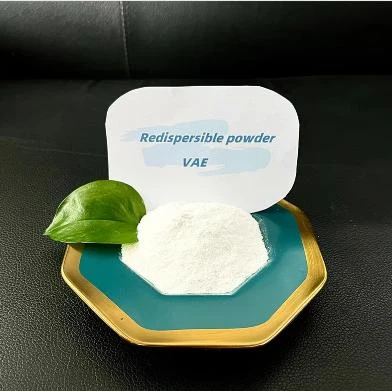
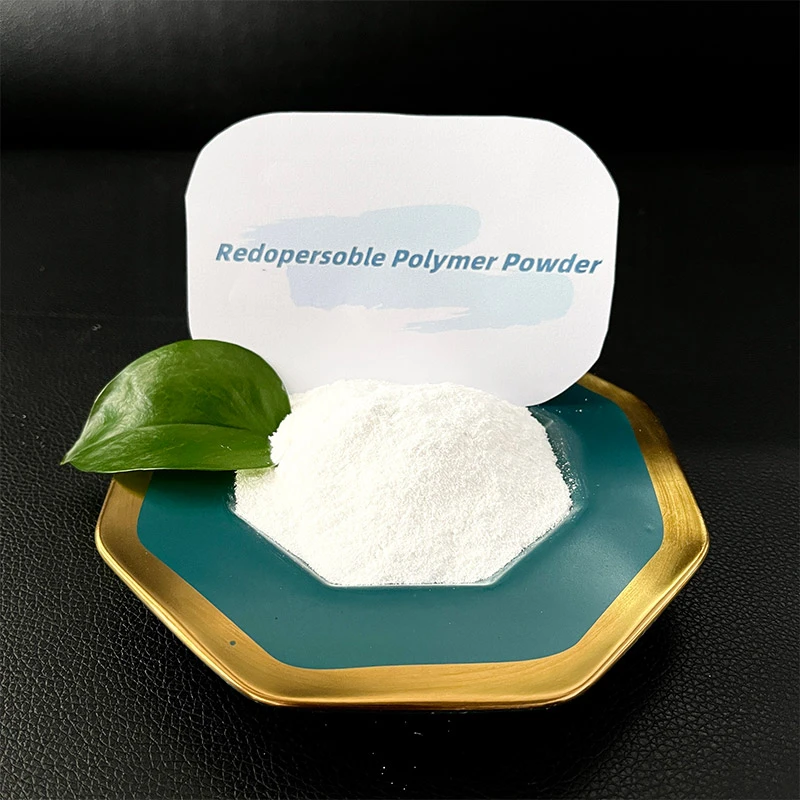
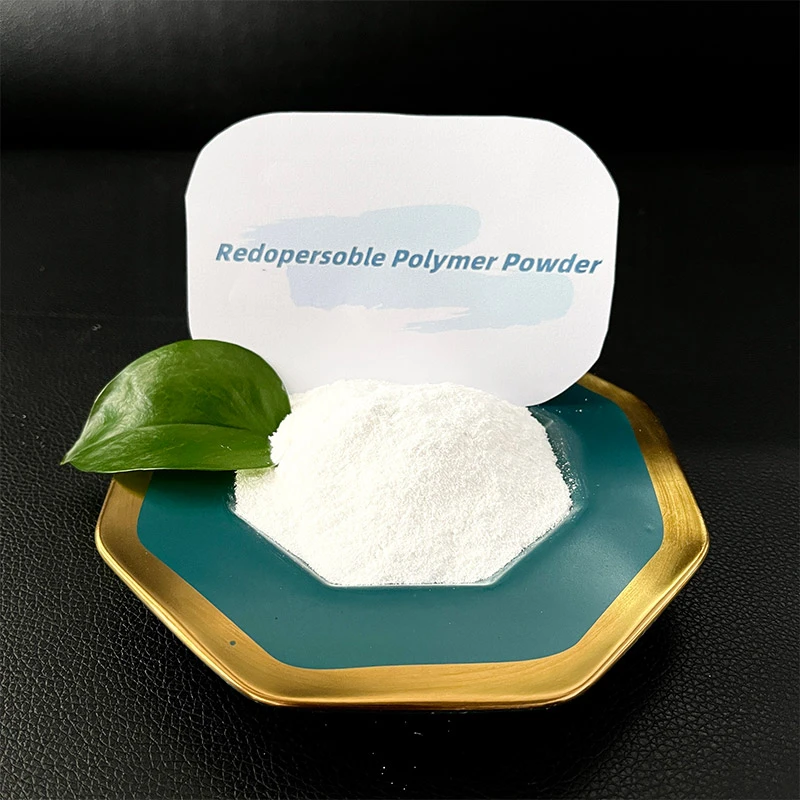
-
 polymer_clear_powder
Oct . 25, 2025
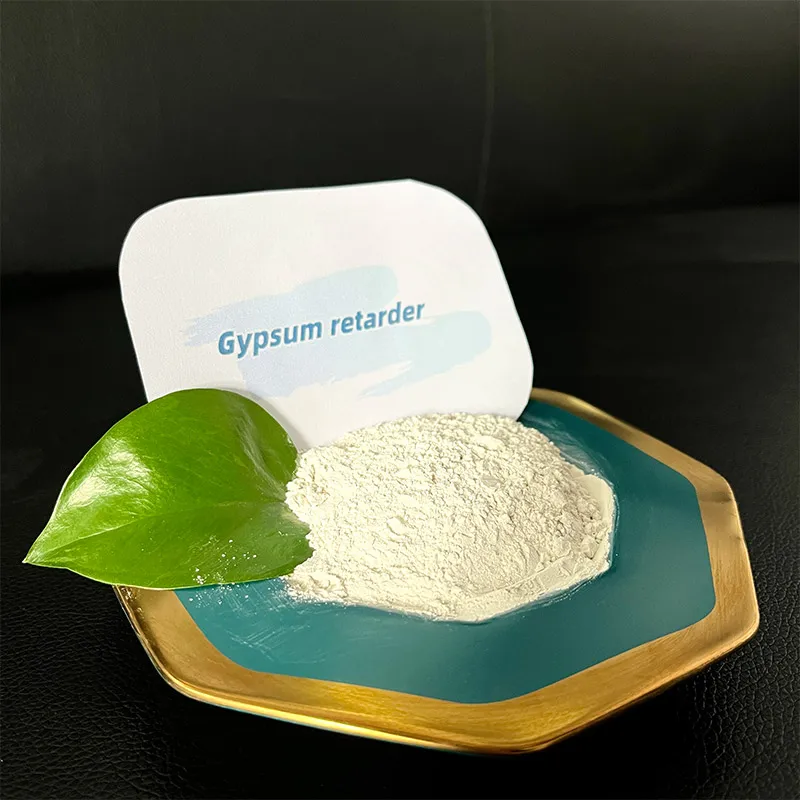
In the world of plastering and construction, achieving optimal working time and preventing premature -
 hpmc_adhesive
Oct . 25, 2025
Understanding Anionic Polyelectrolyte Powder Properties, Applications, and Benefits Polyelectrolytes -
 hydroxypropyl_starch_phosphate_supplier
Oct . 25, 2025
Hydroxypropyl methylcellulose, popularly branded as HPMC Methocel, is an indispensable additive in v


